January 2026
By: Bryan Reynolds | 30 January, 2026

This article introduces the AI-native SDLC—a four-stage, enterprise-grade lifecycle (Prompt Engineering, Agentic Orchestration, Human-Led Code Review, AI-Automated QA) that industrializes generative code while mitigating risks like "AI Slop," data leakage, and architectural drift, and describes Baytech Consulting’s Tailored Tech Advantage and Rapid Agile Deployment for safe, high-velocity software delivery.
Read MoreBy: Bryan Reynolds | 28 January, 2026

This report explains the "AI Trust Paradox": how rapid adoption of LLMs and "Vibe Coding" accelerates feature delivery but creates hidden AI technical debt, reduced trust, and higher long-term costs, and it prescribes Baytech’s governance, Tech Debt Score (TDS), and Clean Code protocols to manage risk and preserve enterprise value.
Read MoreBy: Bryan Reynolds | 23 January, 2026

This article argues that the era of "Vibe Coding" (rapid AI-generated code via natural-language prompts) has produced a dangerous "Vibe Hangover"—large-scale, hard-to-maintain, insecure code—and urges Visionary CTOs to reassert architectural leadership with human-in-the-loop design, AI governance, and disciplined refactoring to preserve long-term enterprise value.
Read MoreBy: Bryan Reynolds | 22 January, 2026

This article warns enterprise technology leaders that unguided "vibe coding"—delegating implementation to LLMs without architecture or policy—introduces systemic security, supply-chain, and technical-debt risks, using the May 2025 Lovable RLS breach and multiple academic benchmarks to argue for a disciplined "Agentic Engineering" approach combining policy-as-code, CI/CD security, and human-in-the-loop review.
Read MoreBy: Bryan Reynolds | 21 January, 2026

In 2026, organizations face a decisive shift in AI adoption marked by the need for data sovereignty and secure, private AI environments known as "Walled Gardens." This article explores the operational, regulatory, and financial imperatives driving enterprises to build private AI stacks to control intellectual property leakage, comply with regional data laws, and achieve deterministic AI performance, highlighting architecture best practices and economic benefits.
Read MoreBy: Bryan Reynolds | 19 January, 2026
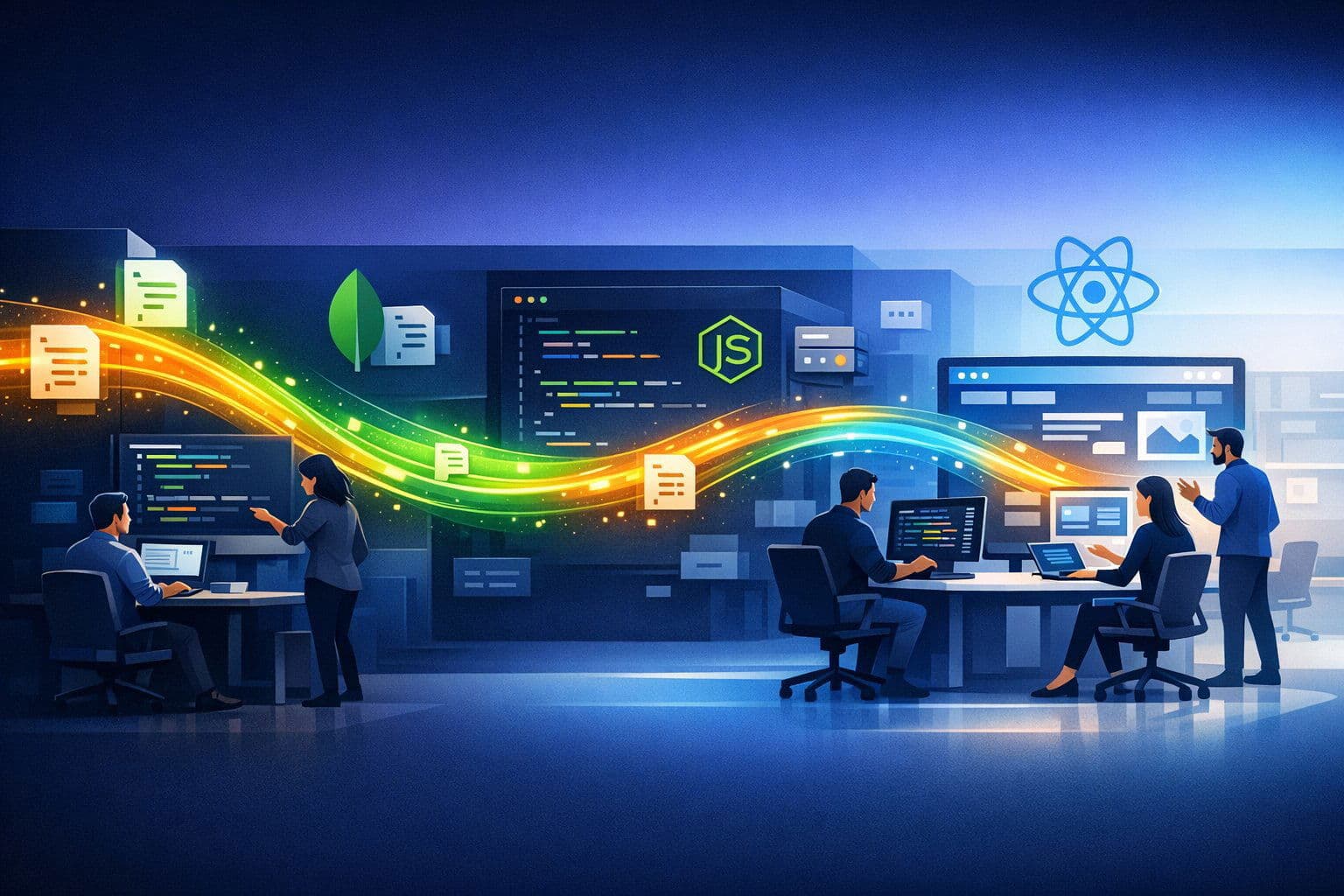
This comprehensive article analyzes the strategic implications of adopting a Full-Stack JavaScript architecture using Node.js and frameworks like MERN or MEAN, juxtaposing it against traditional polyglot stacks such as Java/Spring or .NET, with a focus on organizational velocity, technical performance, ecosystem challenges, and enterprise considerations in 2026.
Read MoreBy: Bryan Reynolds | 16 January, 2026

The article explores the evolution and advantages of Headless CMS architectures, emphasizing their role in enabling omnichannel, future-proof digital experiences through decoupled, API-driven models that improve flexibility, security, and scalability.
Read MoreBy: Bryan Reynolds | 15 January, 2026
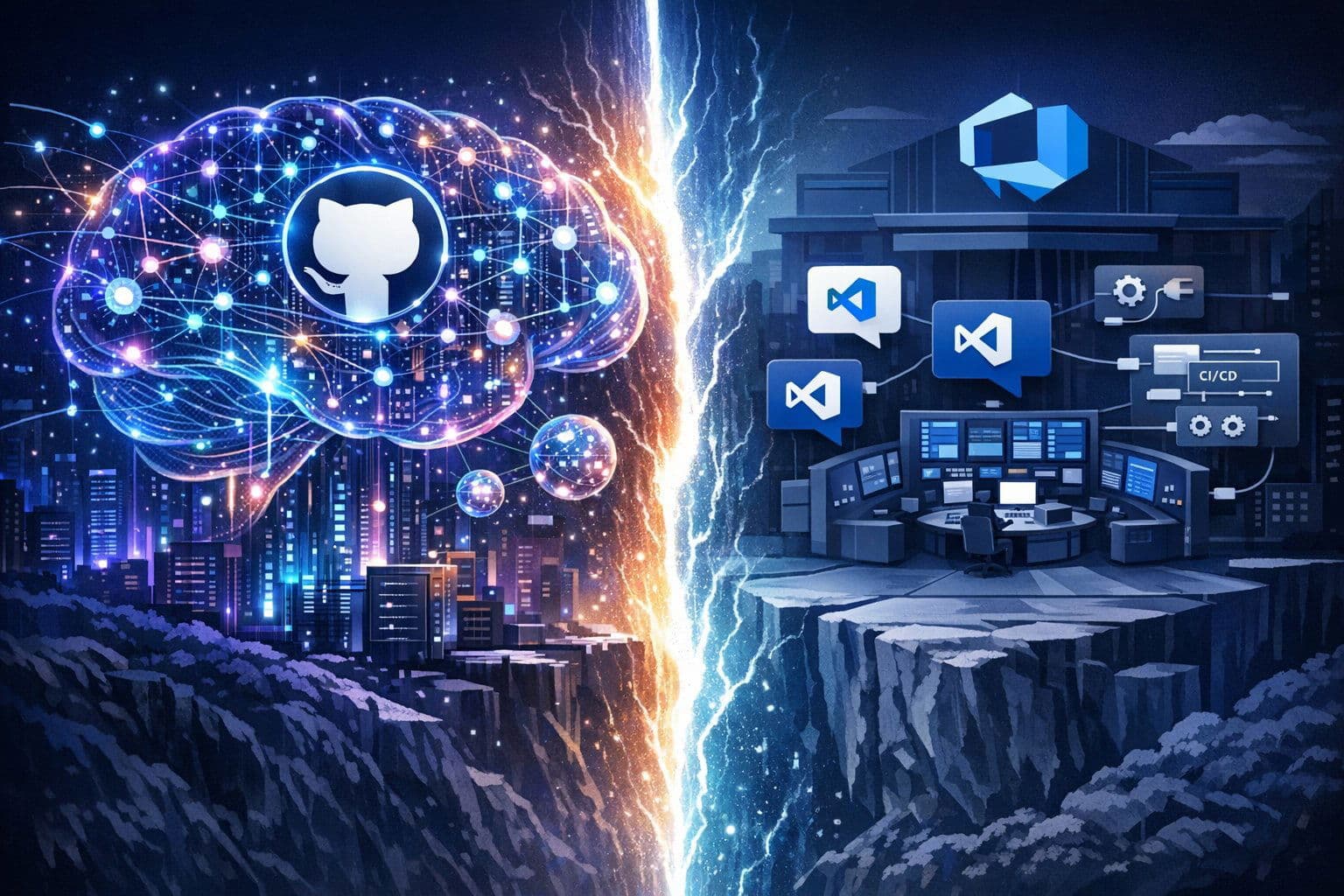
This article explores the strategic and technical divide between Azure DevOps and GitHub regarding 'Repository Intelligence' and AI-driven development capabilities, emphasizing a shift towards server-side AI integration with GitHub as the hub for advanced AI features.
Read MoreBy: Bryan Reynolds | 14 January, 2026

The article analyzes the impact of AI coding assistants on software development productivity, highlighting the 'AI Productivity Paradox' where these tools both accelerate simple tasks and slow down complex, experienced work, due to hidden inefficiencies and psychological effects.
Read MoreBy: Bryan Reynolds | 12 January, 2026

The article explores the rise of the Subscription Economy, highlighting the technological, operational, and strategic transformations required for enterprises to support recurring revenue models in 2026.
Read MoreBy: Bryan Reynolds | 08 January, 2026

The article discusses the transformative impact of Predictive AI and Generative AI on B2B sales and marketing strategies in 2026, emphasizing data-driven decision-making, proprietary model building, and advanced personalization techniques.
Read MoreBy: Bryan Reynolds | 06 January, 2026

The article analyzes the transformative impact of AI on software development in 2026, discussing adoption trends, productivity dynamics, economic effects, emerging architectures, and management strategies.
Read MoreBy: Bryan Reynolds | 04 January, 2026

The article provides a comprehensive strategic framework for evaluating software proposals, emphasizing technical quality, methodology, legal considerations, risk management, and vendor reliability to ensure successful digital transformation projects.
Read MoreBy: Bryan Reynolds | 03 January, 2026

This article provides a comprehensive guide for executives on selecting and working with a top-tier software development partner in 2025, emphasizing strategic alignment, technical excellence, agile methodologies, risk management, and cultural fit to ensure successful digital transformation.
Read MoreBy: Bryan Reynolds | 02 January, 2026

This article provides a comprehensive framework for risk management in software investments, emphasizing strategic, operational, technical, financial, and sector-specific considerations for modern executives in 2025.
Read MoreBy: Bryan Reynolds | 01 January, 2026

The article introduces Google's Antigravity, a revolutionary AI-native IDE, and analyzes its architecture, capabilities, strategic implications, and integration challenges within enterprise workflows, emphasizing its potential to transform software development into an agent-driven, asynchronous process.
Read MoreBy: Bryan Reynolds | 31 December, 2025

This article emphasizes that a superior Developer Experience (DX) is crucial for modern engineering teams, impacting talent retention, productivity, and business growth, supported by data from 2024-2025 industry reports.
Read More