Manufacturing
By: Bryan Reynolds | 29 July, 2026

This article argues that B2B distributors and manufacturers must invest in ERP-integrated customer portals to meet buyer expectations, cut manual order-entry costs and errors, and drive revenue growth through self-service ordering and phased, real-time integrations.
Read MoreBy: Bryan Reynolds | 24 July, 2026

This article argues that for mid-market manufacturers, distributors, and engineered-product B2B sellers, custom CPQ development can slash quote turnaround from days to minutes, protect margins through ERP-integrated live costing, and deliver a lower five-year TCO than packaged CPQ platforms that often fail under operational complexity.
Read MoreBy: Bryan Reynolds | 22 July, 2026
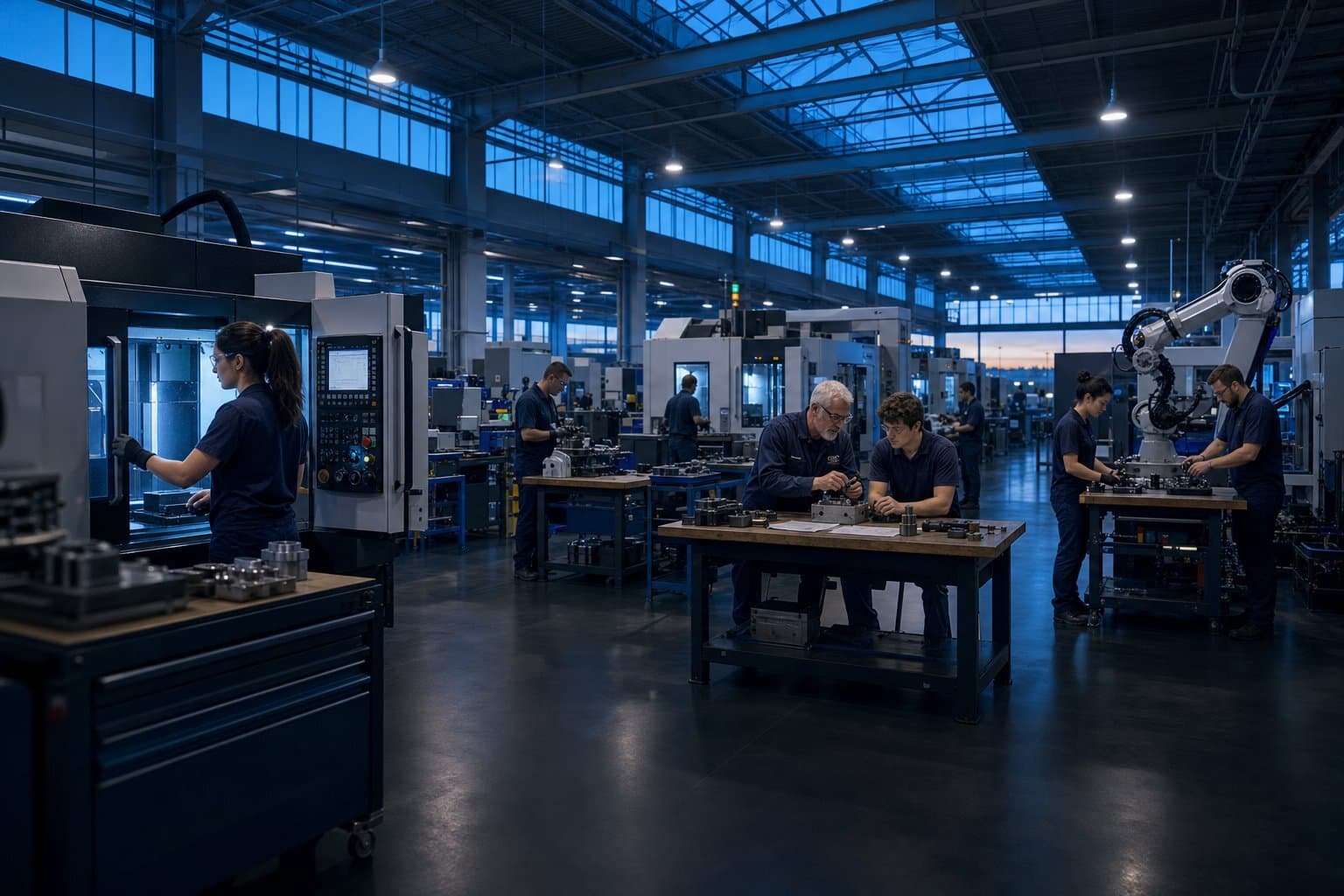
The article argues that the manufacturing sector must capture tribal (tacit) knowledge now—using media-first, workflow-embedded digital work instructions and tailored software—to avoid a major capacity and quality crisis as millions of veteran workers retire over the next decade.
Read MoreBy: Bryan Reynolds | 20 July, 2026
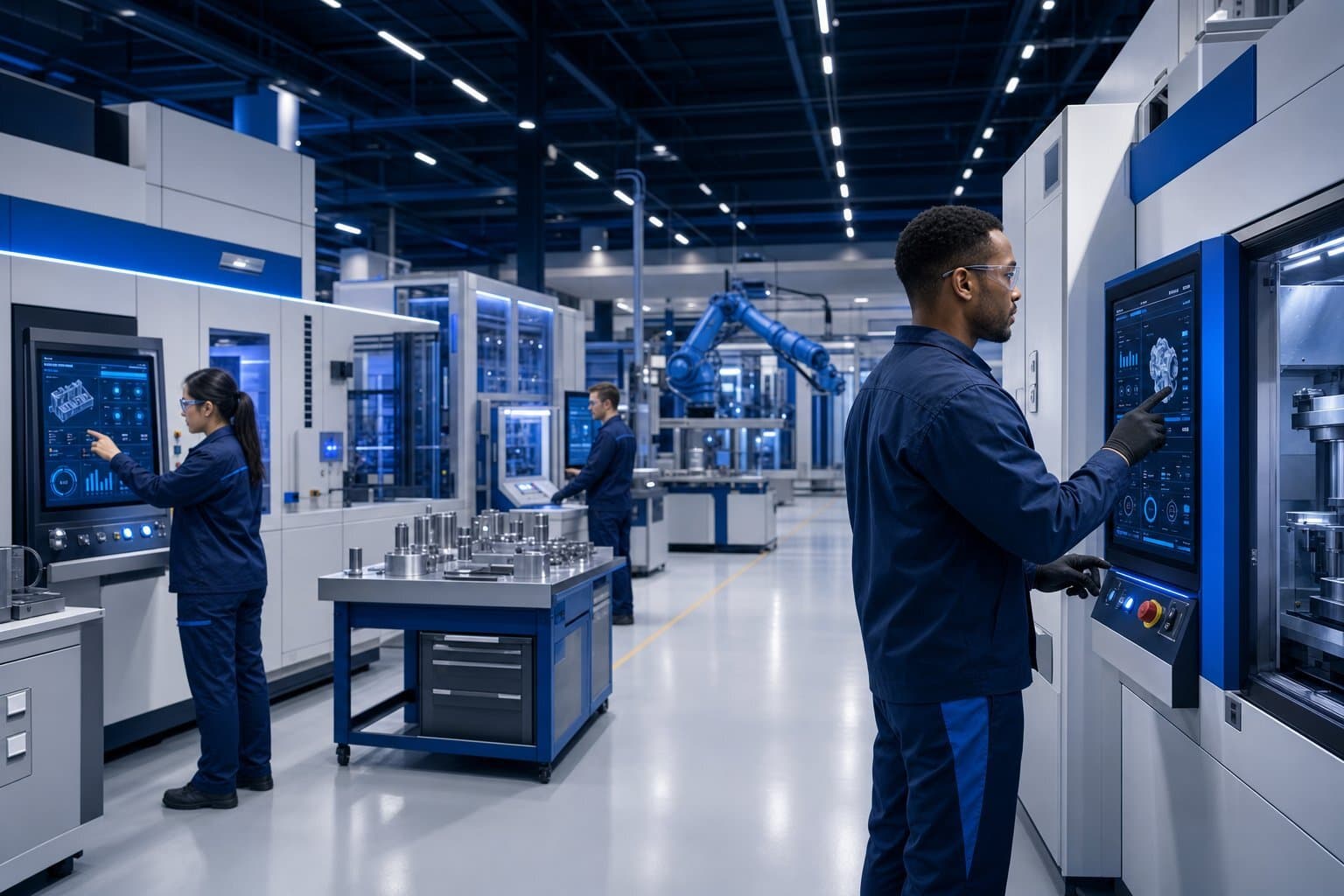
U.S. reshoring promises are colliding with an operational software gap: many new plants still run production on spreadsheets, creating bottlenecks, traceability failures, and hidden costs; the article argues a phased, custom software build (production tracking, finite capacity scheduling, quality/integrations, then automation) aligned to a 12–24 month plant ramp closes the gap, reduces risk and TCO, and preserves valuation upside for owners and PE buyers.
Read MoreBy: Bryan Reynolds | 09 July, 2026
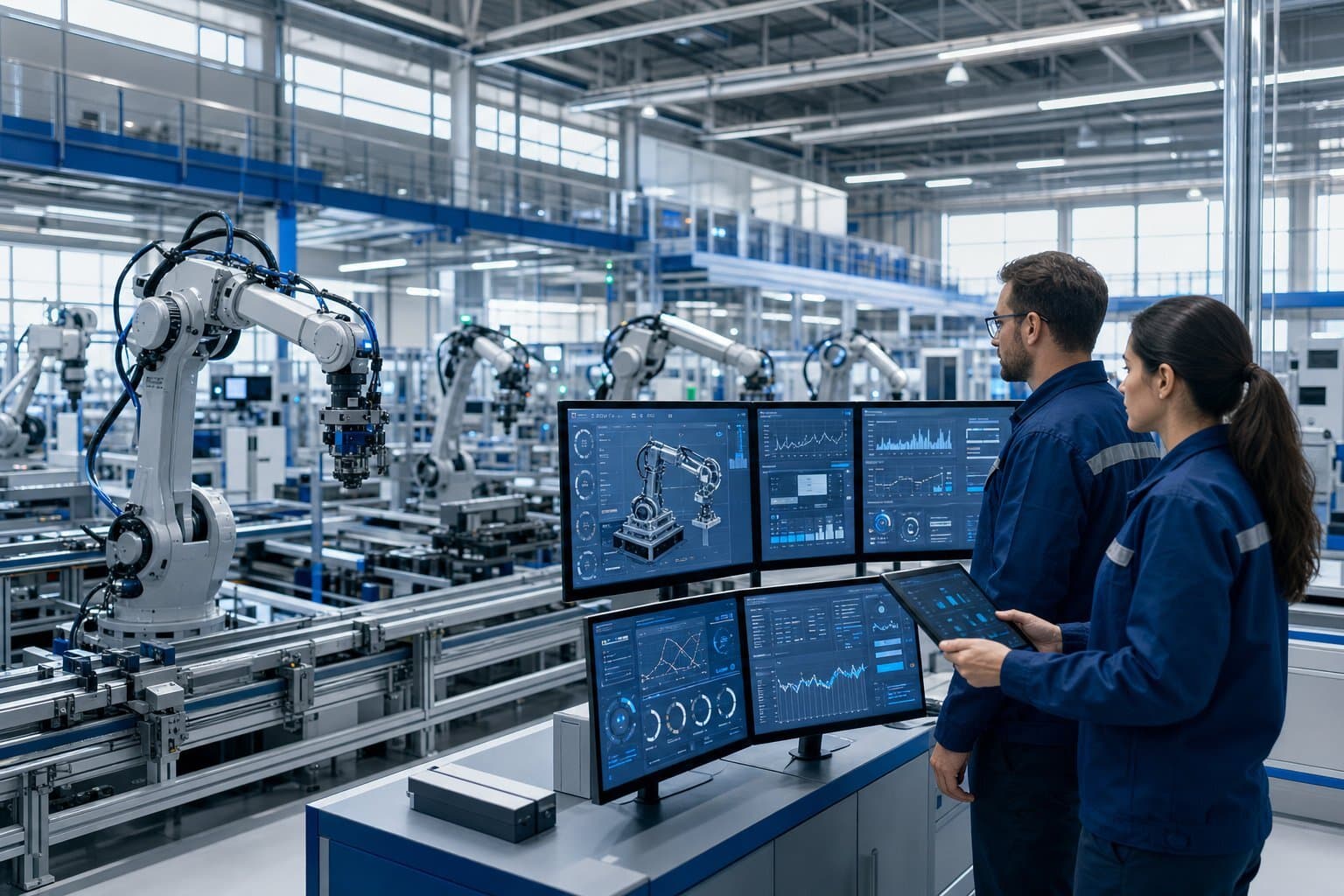
This article profiles 10 verified US manufacturing software development companies, explains why manufacturers increasingly choose custom builds over off-the-shelf ERP/MES, outlines vendor selection criteria, realistic cost ranges, common failure modes, and an implementation roadmap to reduce risk and accelerate automation readiness.
Read MoreBy: Bryan Reynolds | 30 August, 2025

This executive guide explores the rapid transformation of global manufacturing through the rise of the smart factory, fueled by real-time data, artificial intelligence (AI), and pervasive connectivity. The article breaks down what defines a smart factory—beyond just robotics—by detailing its technological anatomy, the driving market forces, and the proven business benefits such as radical efficiency, agility, and quality improvements. It uses real-world case studies to illustrate smart technologies in action and addresses the main challenges organizations face, from legacy systems to cybersecurity and skills gaps. The guide concludes by demonstrating how the principles of the smart factory are universally applicable across industries like logistics, healthcare, and finance, laying out a pragmatic roadmap for executives to begin their journey toward becoming an intelligent, adaptive enterprise.
Read MoreBy: Bryan Reynolds | 15 August, 2025

This article explores why the era of stable, hyper-efficient supply chains is over for manufacturers and how custom software solutions are the key to navigating today’s relentless disruptions. It argues that legacy and off-the-shelf systems are insufficient for modern supply chain challenges, which now include systemic material shortages, logistics volatility, climate risks, and a profound lack of real-time visibility. Instead, it advocates for a bespoke digital nervous system—leveraging real-time control towers, AI-based predictive analytics, and digital twin simulations—to transform crisis management into proactive orchestration and strategic advantage. Real-world case studies from leading manufacturers illustrate how custom solutions deliver tangible ROI, enhance visibility, and build lasting resilience.
Read MoreBy: Bryan Reynolds | 14 August, 2025
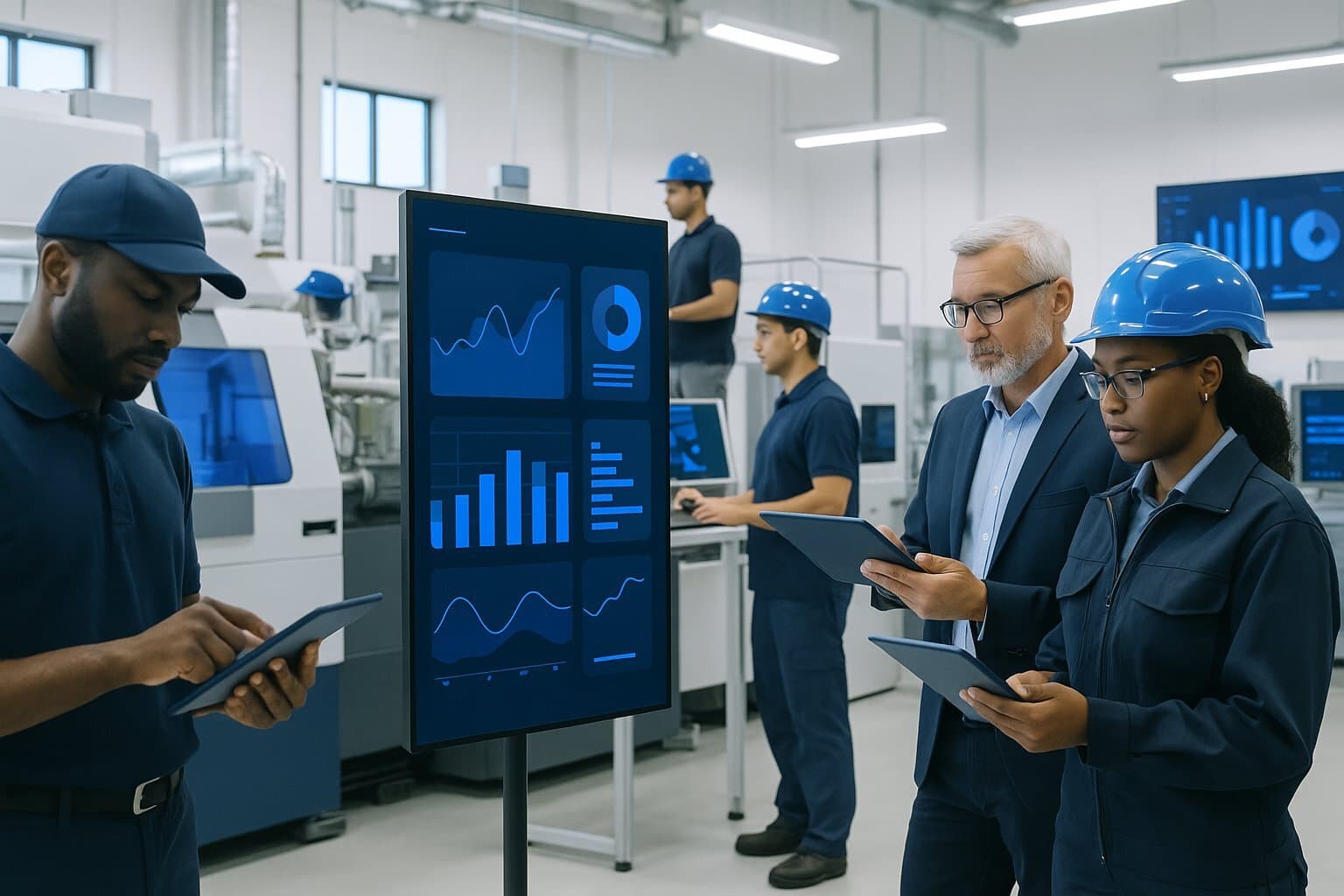
This article tackles the high failure rate of digital transformation initiatives in manufacturing, revealing that resistance from teams often stems from poor user adoption rather than flawed technology. It explores the psychological and organizational factors behind employee pushback, and provides actionable strategies for overcoming resistance by prioritizing intuitive software design, embedded in-app training, and transparent dashboards. The article also highlights best practices for implementation, advocating agile and phased rollouts, and underscores the importance of unified executive leadership. Ultimately, it argues that successful software adoption in manufacturing requires a human-centric approach that aligns technology, people, and business strategy.
Read More