September 2026
By: Bryan Reynolds | 25 September, 2026

This article explains how Claude Opus 5.5 enables practical, cost-effective deployment of autonomous AI agent swarms in GitHub Enterprise, and outlines the required infrastructure, governance, economic trade-offs, security guardrails, merge-queue strategies, and human-process changes executives must adopt to scale safely.
Read MoreBy: Bryan Reynolds | 11 September, 2026

This article argues that AI sales tools fail when they inherit poor CRM data, and it outlines which CRM fields and defects most damage AI capabilities, how to audit data quality quickly, and a prioritized remediation approach for mid-market revenue teams to make AI-driven forecasting and scoring reliable.
Read MoreBy: Bryan Reynolds | 09 September, 2026

The article argues that cross-platform frameworks introduce a structural schedule dependency risk when platform vendors impose SDK floors or major OS changes, explains why framework lag occurs, classifies which apps are most exposed, and offers three strategic responses—stay, insulate, or migrate—plus practical guidance for mitigation and governance.
Read MoreBy: Bryan Reynolds | 07 September, 2026

The article explains how poor internal-tool UX hides as payroll cost and shows how to convert workflow friction into defensible, CFO-ready dollars using loaded labor rates, low-effort diagnostics, phased redesigns, and appropriate metrics to prove ROI.
Read MoreBy: Bryan Reynolds | 04 September, 2026

The article argues that grant reporting is a data-integration problem causing weeks of manual work for nonprofits and that a modest custom data layer—built in phases using targeted engineering, governance, and available indirect cost recovery—can automate reconciliations, preserve donor restrictions, and dramatically reduce staff time spent on funder reports.
Read MoreBy: Bryan Reynolds | 02 September, 2026
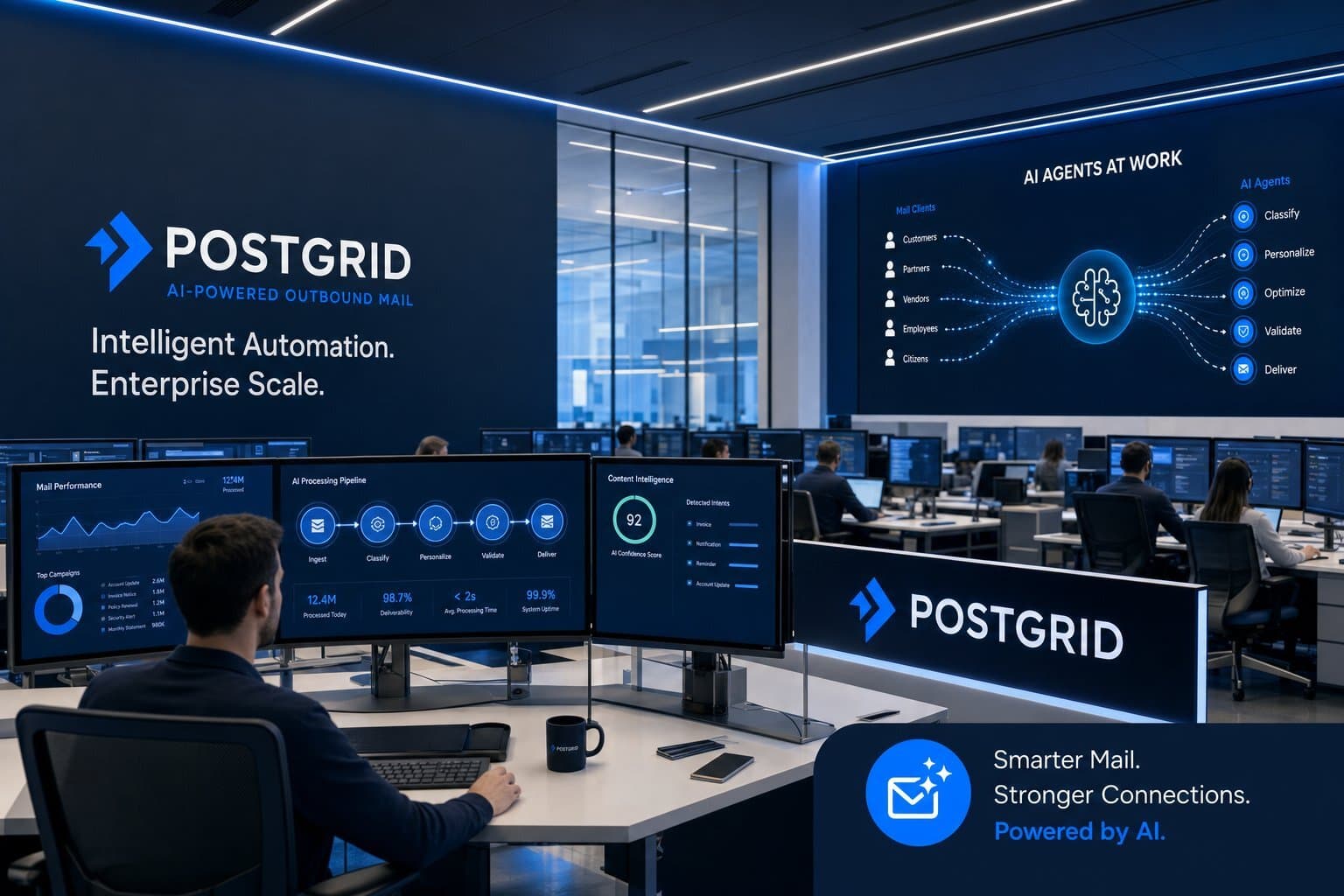
The article argues that the rapid scaling of AI-driven outbound (AI SDRs) has increased message volume far faster than human attention, forcing buyer-side AI triage and reframing outbound success from copywriting to data engineering; it recommends pausing volume growth until CRM data, sender authentication, enrichment signals, and deliverability infrastructure are remediated and sequenced.
Read MoreBy: Bryan Reynolds | 31 August, 2026

This article argues that agencies should not host a client’s reporting pipeline because dashboards are a view, not ownership; it explains the five layers of a reporting stack, the real losses when agencies retain connectors, storage, and transformation logic, contractual protections to demand, incremental migration steps, costs, and when agency-hosted reporting can be acceptable.
Read More