The Baytech Blog, page 30
Articles 262–270 of 418, newest first. Page 30 of 47.
Every article
Search 418 articles, or browse by topic
Everything we've written since 2019, newest first. Start typing and matching articles appear as you go, or pick a topic.
Try
Articles 262–270 of 418 · page 30 of 47
 AI Adoption & Strategy
· 15 min read
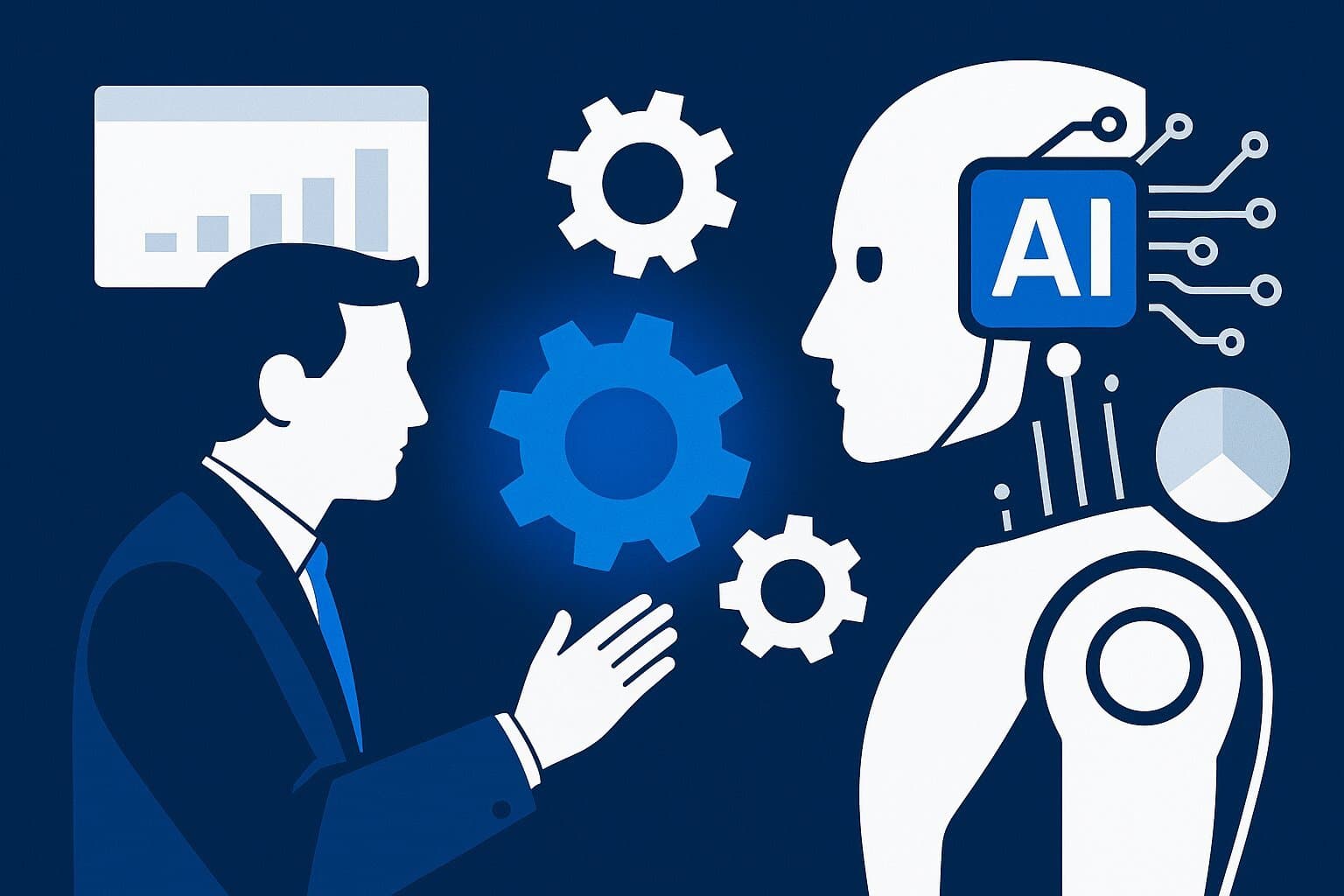
How Will AI Really Affect Your Operations and People?
This article from Baytech Consulting guides B2B leaders on how to move from fear-based hesitation around AI (AI anxiety) to clear, actionable strategies (AI strategy) for adopting the technology. It dispels myths about AI-driven job loss, emphasizing augmentation over replacement and highlighting the new human-AI collaboration model. The article outlines the essential skills required in an AI-powered workplace, explains how AI can drastically improve operational efficiency across departments, and offers a detailed playbook for implementation. The message is clear: AI isn’t a threat—it’s a strategic advantage, and businesses that act decisively will outpace those that hesitate.
Bryan ReynoldsRead Custom Application Development
· 14 min read
Time & Materials vs. Fixed Price: Which Software Development Contract Model Delivers Better ROI?
This in-depth article examines the critical choice between Time & Materials (T&M) and Fixed Price (FP) contract models for custom software development projects. Drawing on academic research, industry data, and practical experience, it reveals that while FP contracts promise predictability, they often introduce hidden costs, stifle innovation, and increase the risk of project failure. In contrast, T&M contracts—especially when combined with Agile practices—offer adaptability, true cost efficiency, and superior control over the final product. The article provides a decision framework to help executives select the right contract type based on project complexity and goals, and emphasizes the importance of partnering with a transparent, skilled vendor to ensure project success.
Bryan ReynoldsRead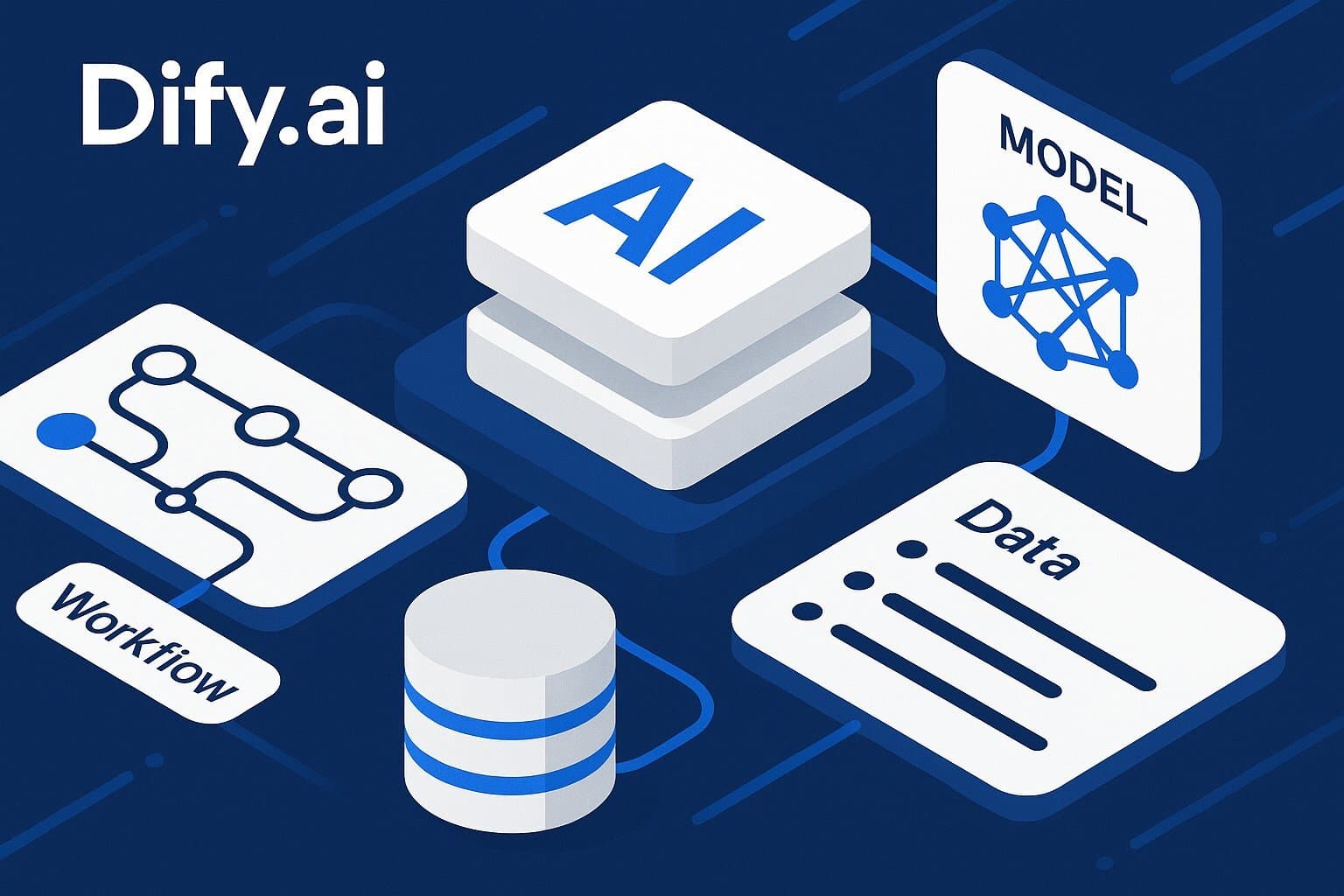 AI Development & Tooling
· 19 min read
What is Dify.ai? A Strategic Overview, Competitive Analysis, Pricing Breakdown, and Tech Stack Fit for Mid-Market B2B Firms
This comprehensive article introduces Dify.ai as a powerful, open-source low-code platform for building AI applications, designed specifically with mid-market B2B firms in mind. It demystifies Dify’s capabilities in plain English, comparing it to competitors like LangChain, Flowise, OpenPipe, Azure ML, and AWS Bedrock. The article explores Dify’s visual workflow builder, multi-model support, agent framework, built-in DevOps, and enterprise scalability. It also provides a transparent breakdown of its pricing, discusses real-world integration with common tech stacks (including Docker, Kubernetes, and Azure DevOps), and outlines practical insights for CTOs, CFOs, and business leaders on how to responsibly adopt and scale AI solutions using Dify. This guide empowers mid-market executives to make informed decisions and unlock AI-driven productivity without the complexity or cost of custom AI development.
Bryan ReynoldsRead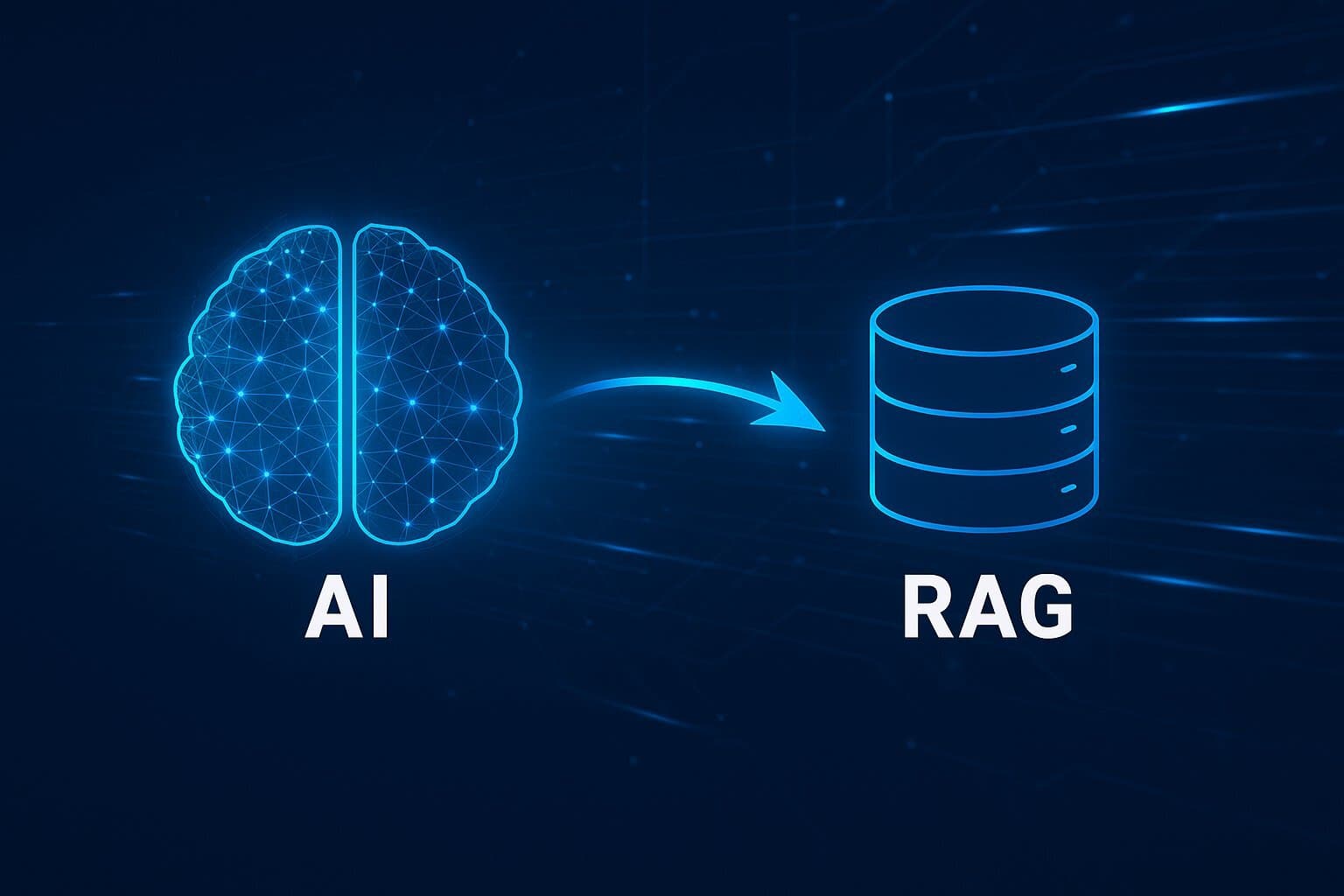 AI Adoption & Strategy
· 24 min read
What Is RAG? A Business Guide to Retrieval-Augmented Generation in AI
This comprehensive guide explores Retrieval-Augmented Generation (RAG), a cutting-edge AI methodology that enhances generative models with real-time information retrieval from curated data sources. RAG bridges the gap between static language models and dynamic business needs by enabling AI systems to "look up" accurate, domain-specific information before generating responses. The article breaks down RAG's architecture, benefits, limitations, and implementation roadmap while comparing it to fine-tuning, traditional search engines, and other AI techniques. With use cases spanning industries like real estate, finance, healthcare, education, and telecom, RAG emerges as a transformative solution for organizations seeking trustworthy, up-to-date, and context-aware AI capabilities.
Bryan ReynoldsRead Cloud Data Platforms
· 19 min read
Databricks vs. the Competition: Unifying Data, Analytics, and AI Across Clouds
This in-depth analysis explores Databricks’ Data Intelligence Platform, dissecting its open lakehouse architecture, core components like Delta Lake, Unity Catalog, MLflow, and Photon, and its unique positioning in the data and AI ecosystem. It highlights the platform’s strengths in unifying data engineering, analytics, and machine learning workflows while providing multi-cloud flexibility across AWS, Azure, and GCP. The article evaluates Databricks’ key differentiators, strategic integrations, and competitive dynamics against rivals like Snowflake, Redshift, BigQuery, and native ML platforms. It concludes by assessing the platform's future outlook, challenges, and enterprise relevance.
Bryan ReynoldsRead AI Adoption & Strategy
· 13 min read
Grok 4: Is It Really the World's Most Powerful AI? An Honest B2B Analysis
This in-depth analysis examines xAI’s Grok 4, Elon Musk’s latest AI model, and its claims of being the world’s most powerful AI. The article evaluates Grok 4’s unique architecture, performance benchmarks, real-time data integration, and developer-friendly features, comparing it to top competitors like GPT-4o, Claude, and Gemini. It also addresses the significant risks and controversies associated with Grok 4, including alignment with Musk’s worldview and public incidents of offensive outputs. The guide closes with actionable recommendations for B2B leaders, advocating for a multi-model AI strategy, careful risk management, and practical use cases where Grok 4 may deliver the greatest value for enterprise organizations.
Bryan ReynoldsRead Cloud Data Platforms
· 29 min read
Is Oracle Autonomous Data Warehouse the Right Fit? A Full Competitive Analysis
This in-depth analysis of Oracle Autonomous Data Warehouse (ADW) explores its technological architecture, competitive positioning, deployment flexibility, and use case scenarios. It dissects ADW's core value propositions—autonomous operations, Exadata-driven performance, and a converged database model—and contrasts them with leading competitors such as Snowflake, Redshift, BigQuery, Synapse, and Databricks. The article also highlights optimal deployment scenarios, real-world applications, limitations, and strategic recommendations for evaluation and adoption, positioning ADW as a powerful solution for Oracle-centric organizations with hybrid or performance-sensitive analytics needs.
Bryan ReynoldsRead Cloud Data Platforms
· 29 min read
Inside Azure Synapse Analytics: Capabilities, Competitive Edge, and When to Use It
Azure Synapse Analytics is Microsoft's powerful unified analytics platform that bridges traditional data warehousing and big data processing within the Azure ecosystem. The article provides an exhaustive analysis of Synapse’s core architecture, including Dedicated and Serverless SQL Pools, Apache Spark and Data Explorer integration, and Synapse Pipelines for ETL/ELT. It explores its value proposition in unifying diverse workloads, compares Synapse to competitors like Snowflake, BigQuery, and Redshift, and discusses use cases across industries. The piece also highlights strategic implications of Microsoft Fabric’s emergence and provides guidance for when and how to adopt Synapse effectively.
Bryan ReynoldsRead Cloud Data Platforms
· 19 min read
Choosing the Right Cloud Data Warehouse: A Deep Dive into Amazon Redshift vs. Competitors
This comprehensive article offers an in-depth analysis of Amazon Redshift, AWS’s fully managed, petabyte-scale cloud data warehouse. It explores Redshift’s capabilities, architecture, deployment models, ecosystem integrations, and performance features, while also examining how it compares with key competitors like Google BigQuery, Snowflake, and Azure Synapse Analytics. The piece outlines optimal use cases, architectural strengths such as MPP and columnar storage, and provides practical guidance for organizations evaluating Redshift as part of their cloud data strategy. It serves as both a technical deep dive and a strategic evaluation tool for data-driven businesses.
Bryan ReynoldsRead
Company Facts
& Figures


Our Office


Get in Touch
Software is what you depend on to get things done. Baytech is who you depend on for software.