The Baytech Blog, page 41
Articles 361–369 of 407, newest first. Page 41 of 46.
Every article
Search 407 articles, or browse by topic
Everything we've written since 2019, newest first. Start typing and matching articles appear as you go, or pick a topic.
Try
Articles 361–369 of 407 · page 41 of 46
· 18 min read
What is Event Sourcing?
Event Sourcing is a carefully architected tracking database that has become the alternative to tracking and maintaining an application's state. It records state changes, corresponding changes, as well as a chronological sequence of events, while providing additional details on how and why the transition of data has occurred. In comparison to traditional methods that only keep the latest version of an application's state, Event Sourcing allows the developer to record and recreate previous states from the event logs.
Bryan ReynoldsRead
· 18 min read
Craft CMS vs WordPress
WordPress has built over 60 million websites, making it the world’s most popular Content Management System (CMS). It has about one-third of the CMS market share, significantly more than any of its competitors. However, that doesn’t necessarily mean it’s the best, as WordPress is well known for problems such as security breaches, simple templates and inefficient code.
Bryan ReynoldsRead
· 7 min read
SaaS Migration: Migrating to SaaS
Software-as-a-Service (SaaS) represents a dramatic paradigm shift in the way organizations develop, market, deliver and service software. It also transforms Independent Software Vendor (ISVs) into service providers that add value to the software. The migration to SaaS requires organizations to consolidate their existing single-tenant applications into a multi-tenant solution, which can prevent them from fully realizing all the benefits of SaaS.
Bryan ReynoldsRead
· 6 min read
What is SaaS?
Software-as-a-service (SaaS) is a model for licensing and delivering software in which the software is centrally hosted and licensed on a subscription basis. These applications are also known by other terms such as on-demand software, web-based software and web-hosted software.
Bryan ReynoldsRead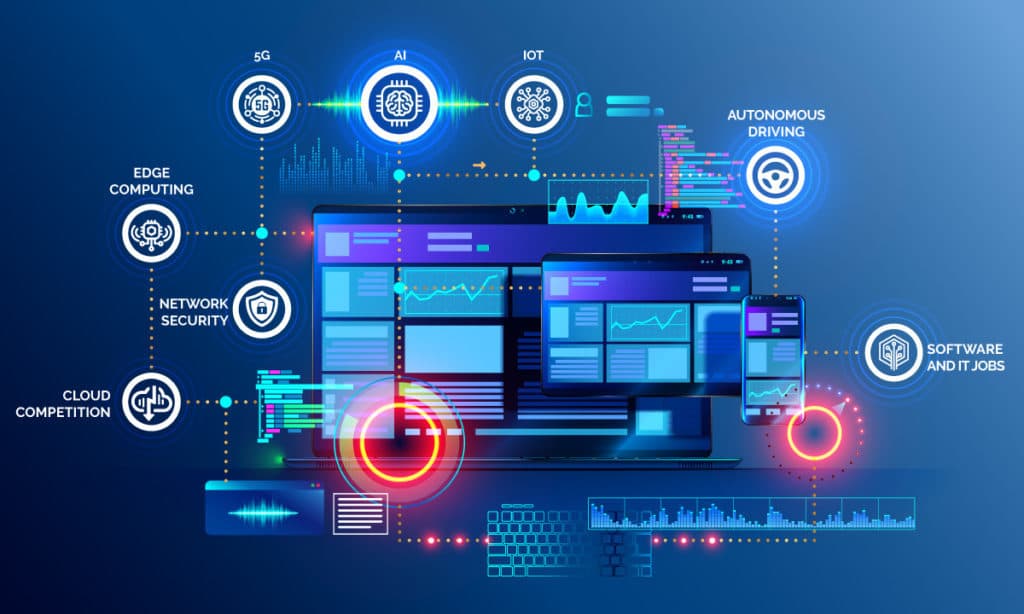
· 10 min read
4 Foundational Technology Trends For 2021
It’s no secret that technology changes quickly. In fact, every 18 months, computer processing speeds double, which is evidence in itself of the everchanging and upcoming tech trends. We could ramble on about NEW software trends that will take the world by storm in 2021, but we believe there are so many out there, that writing about them would not do them justice.
Bryan ReynoldsRead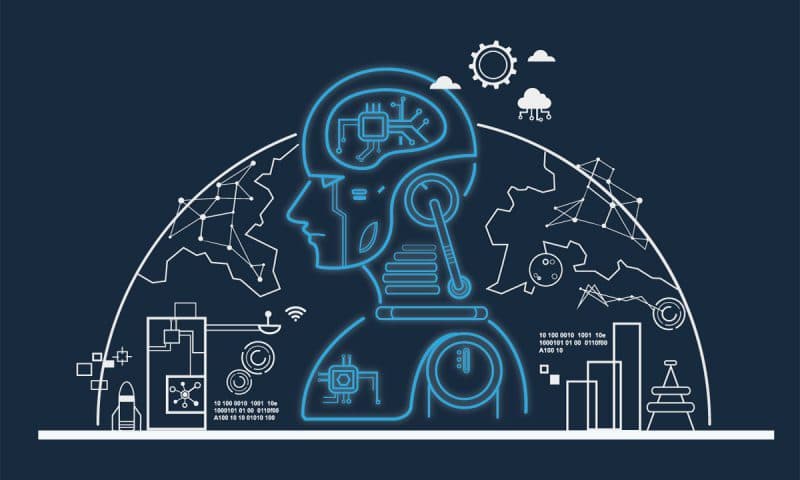
· 10 min read
Why And How We Redeveloped Our Website Using A Headless Stack
As the internet becomes more complex, so do the users' needs. They expect quick, always-on on and easy-to-use web platforms. For businesses that use their website to educate and attract new customers, there are generally multiple pages, functions, and user experience features that must be factored in when a web platform is created.
Bryan ReynoldsRead
· 10 min read
Serverless Platform Comparison: AWS, Google and Azure
Serverless computing is a model of cloud computing in which the service provider operates the server and dynamically manages the allocation of computing resources such as processing, memory and storage. The provider bases pricing on the resources applications actually consume, rather than the tradition pricing model that requires the user to purchase resources before using them. Serverless computing simplifies enterprise software development by concealing administrative tasks such as capacity planning, maintenance and scaling from the developer. Developers can also combine serverless computing traditional code deployment styles.
Bryan ReynoldsRead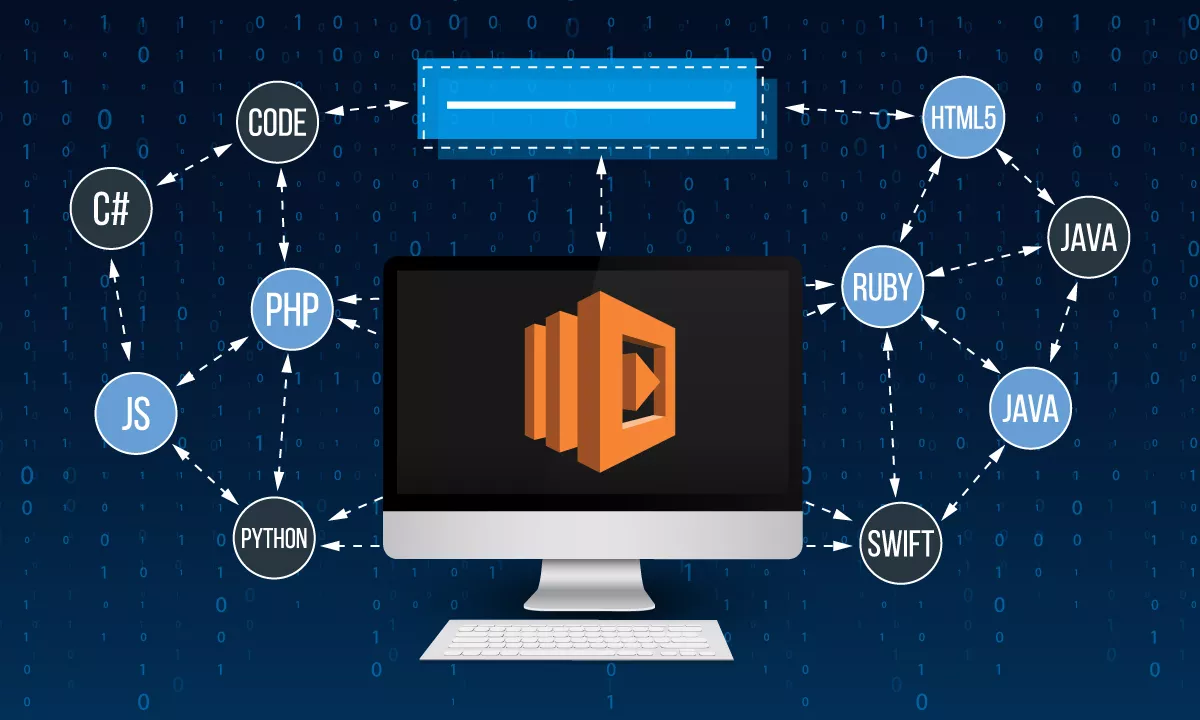
· 11 min read
What is AWS Lambda: Enterprise Software Development Guide
Serverless computing is a cloud-computing model in which the cloud provider dynamically manages the allocation of computing resources. AWS Lambda is a serverless computing platform that Amazon provides as part of Amazon Web Services (AWS). It’s also event-driven, meaning that Lambda only executes code in response to events and automatically manages the computing resources that the code requires. These capabilities allow developers to focus on an application’s business logic, rather than provisioning resources and managing access control.
Bryan ReynoldsRead
· 10 min read
Enterprise Software Development with Knative
Kubernetes can manage complex sets of software containers by itself, but it also creates its own configuration and management challenges. Knative is an extension of Kubernetes that eliminates the need for developers to perform these tasks and also serverless capabilities to Kubernetes. It runs on top of Kubernetes, allowing Knative to manage a large number of containers in enterprise software development. Google developed Knative as an open-source platform in collaboration with other companies such as IBM, Pivotal, Red Hat and SAP.
Bryan ReynoldsRead
Company Facts
& Figures


Our Office


Get in Touch
Software is what you depend on to get things done. Baytech is who you depend on for software.